- English
- Español
- Português
- русский
- Français
- 日本語
- Deutsch
- tiếng Việt
- Italiano
- Nederlands
- ภาษาไทย
- Polski
- 한국어
- Svenska
- magyar
- Malay
- বাংলা ভাষার
- Dansk
- Suomi
- हिन्दी
- Pilipino
- Türkçe
- Gaeilge
- العربية
- Indonesia
- Norsk
- تمل
- český
- ελληνικά
- український
- Javanese
- فارسی
- தமிழ்
- తెలుగు
- नेपाली
- Burmese
- български
- ລາວ
- Latine
- Қазақша
- Euskal
- Azərbaycan
- Slovenský jazyk
- Македонски
- Lietuvos
- Eesti Keel
- Română
- Slovenski
- मराठी
- Srpski језик

Products


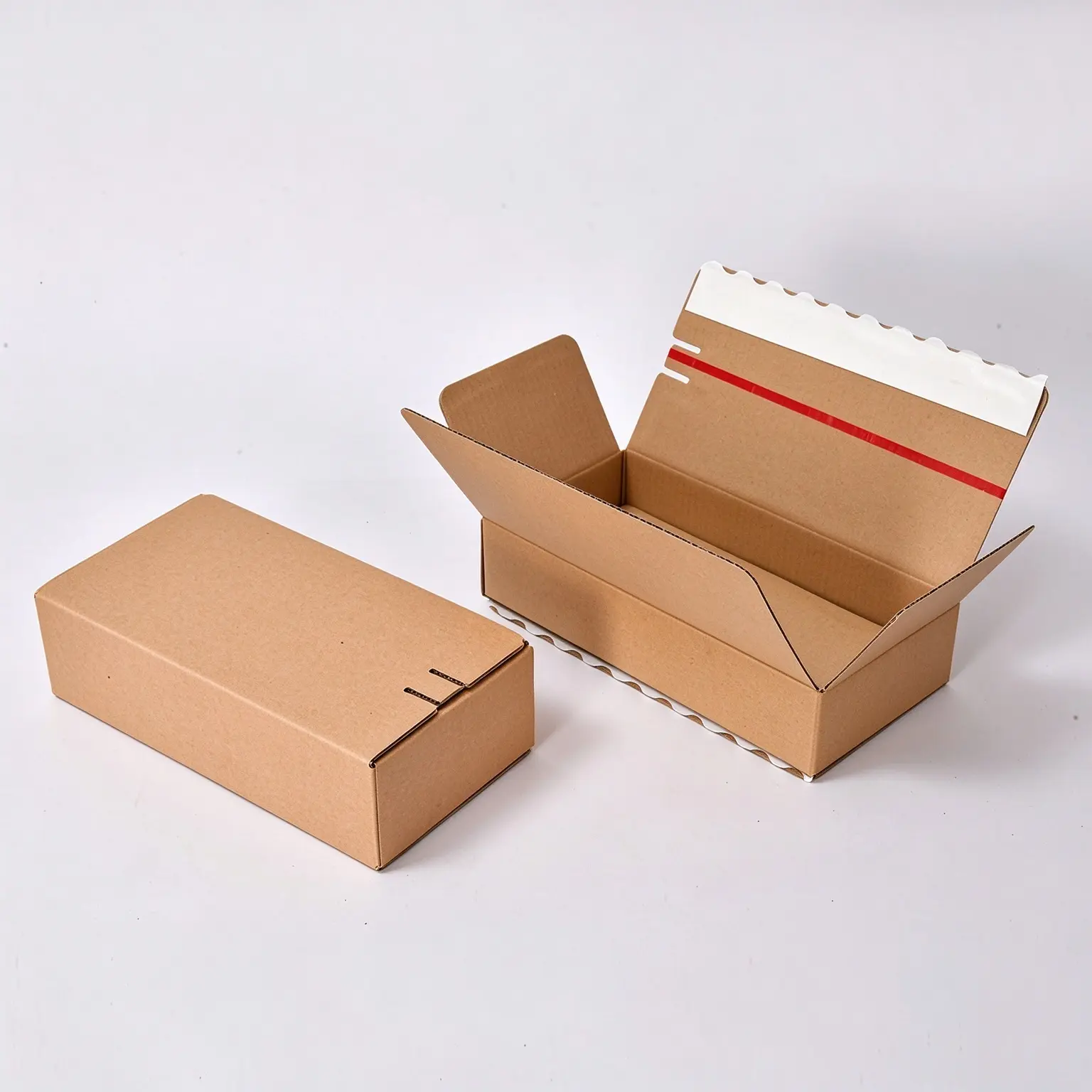
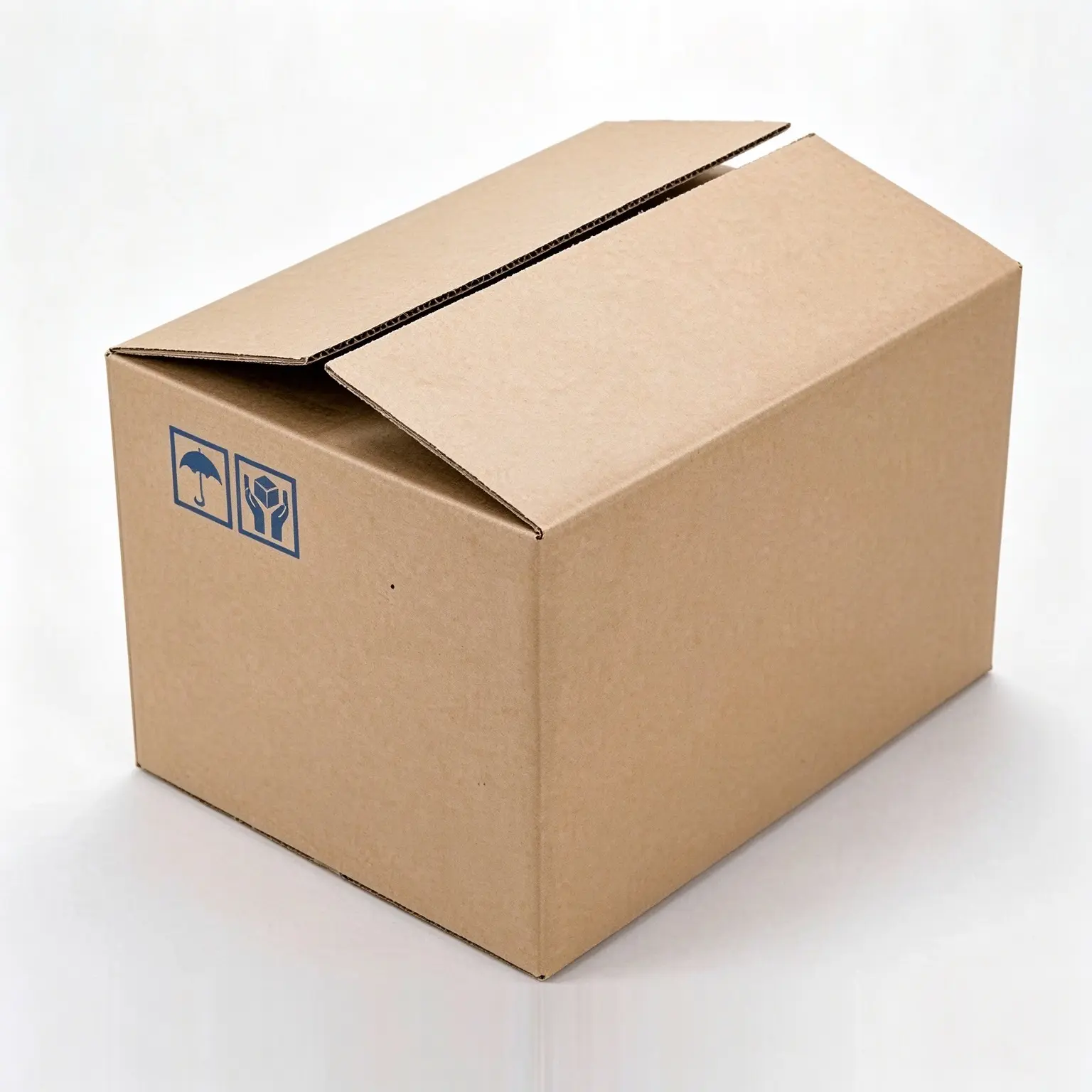
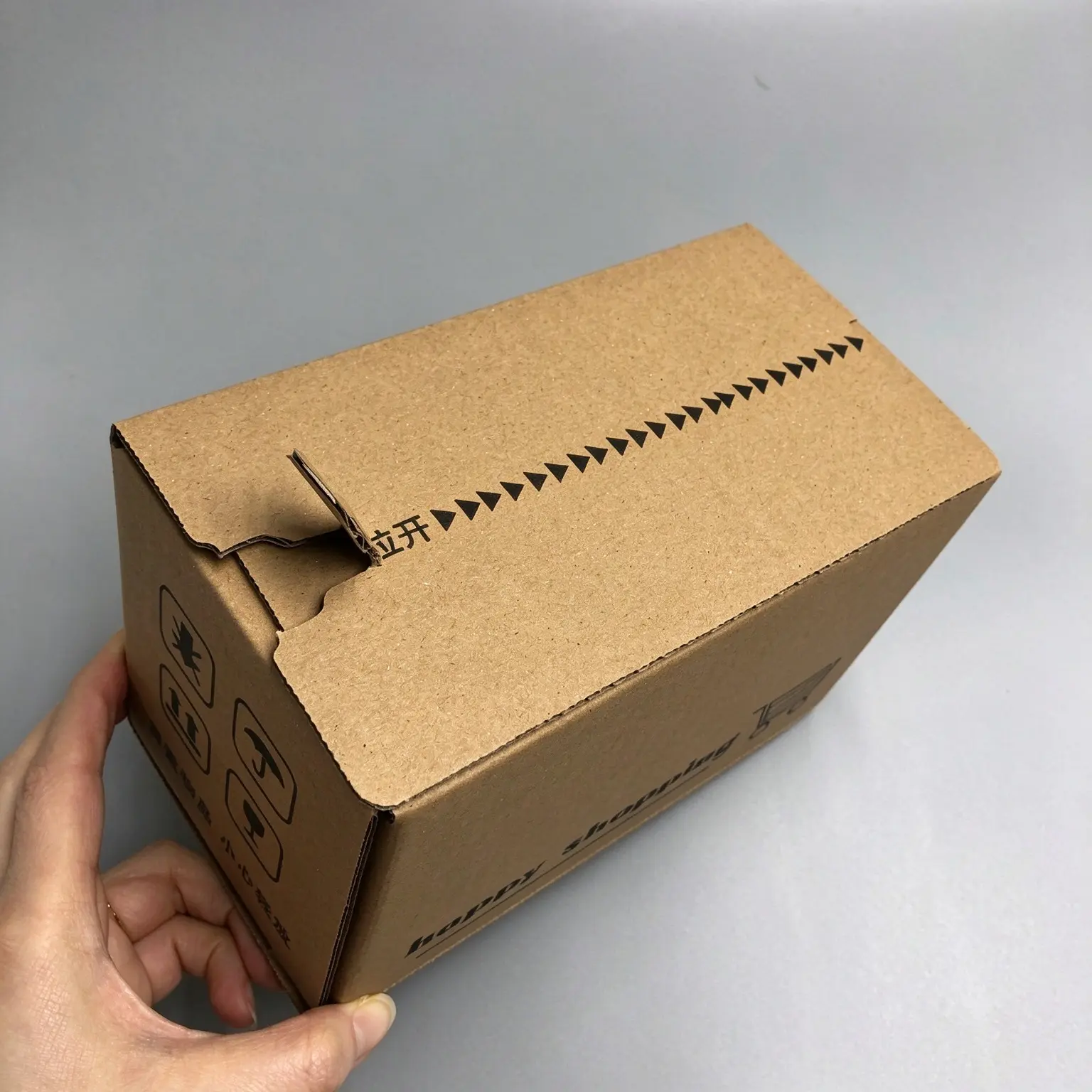
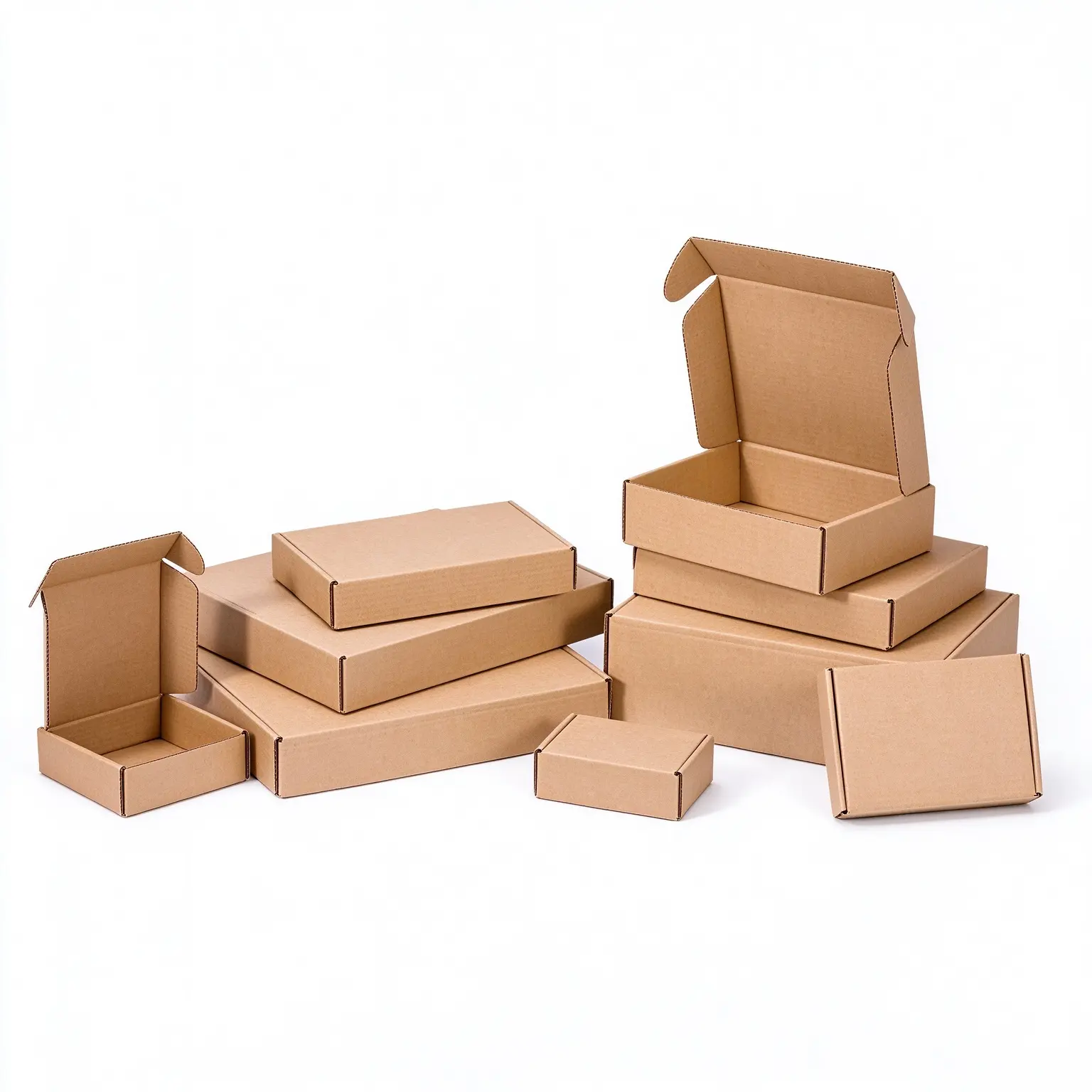
Mailer Box
ZMJPackaging is a China manufacturer of the Mailer Box, produced in Jimo, Qingdao for e-commerce brands, subscription clubs and marketplace sellers. The box is designed around the freight volume it creates and the drop it has to survive. Send the packed weight, the product footprint and the route; we return a dieline at the true internal size, a drop-tested sample and a factory-direct quotation.
Send Inquiry
Product Description
ZMJ Packaging makes the Mailer Box as a shipping object first and a brand surface second. A cosmetics subscription sending 12,000 boxes a quarter, a small-appliance seller shipping through a marketplace and a gift brand posting direct all face the same three costs: the volume the box adds to every parcel, the damage rate on the last mile, and the time it takes to pack at the bench. Our offer names the flute, the internal size, the closure, the tear strip, the print method and the carton marks. Third-party inspection can be booked at the plant or at the port, and the approved revision is archived so a repeat run matches the first.
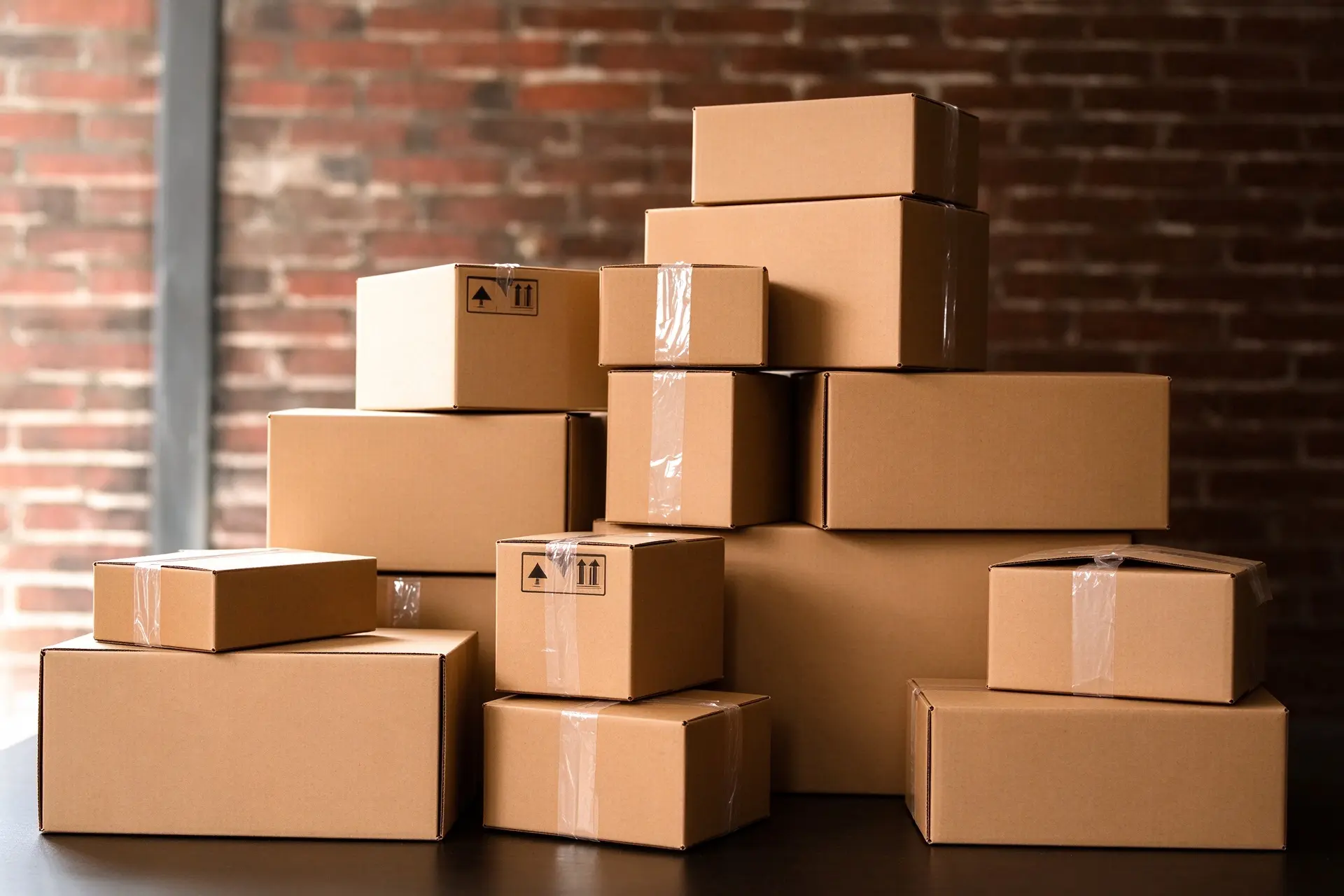
How Should Mailer Box Dimensions Be Designed to Reduce Shipping Costs?
The internal dimensions of a Mailer Box directly affect product fit, protective material requirements and parcel volume. An oversized box may increase shipping costs, while insufficient clearance can make packing difficult or leave the product vulnerable to impact.
ZMJPackaging recommends starting with the actual packaged product rather than selecting a standard carton size first.
The design process should consider three measurements:
Product Dimensions: Measure the product's length, width and height, including any components that need to be packed together.
Protection Space: Allow suitable room for corrugated dividers, paper cushioning, foam or other protective materials.
Box Construction: Account for the thickness of the corrugated board and the folding structure when calculating internal and external dimensions.
Volume Weight Decides the Dieline Before the Artwork Does
Couriers bill the greater of actual and volumetric weight, usually length times width times height divided by 5,000 or 6,000. A box that is 10 mm too deep on every side can push a parcel into the next billing band, and the cost repeats on every order. That is why we start from the product plus its protection, not from a stock carton size. A Mailer Box usually runs 15 to 25 mm larger than the product on each of two axes and 10 to 15 mm on the third, with the exact figure set by the insert or the wrap the product needs.
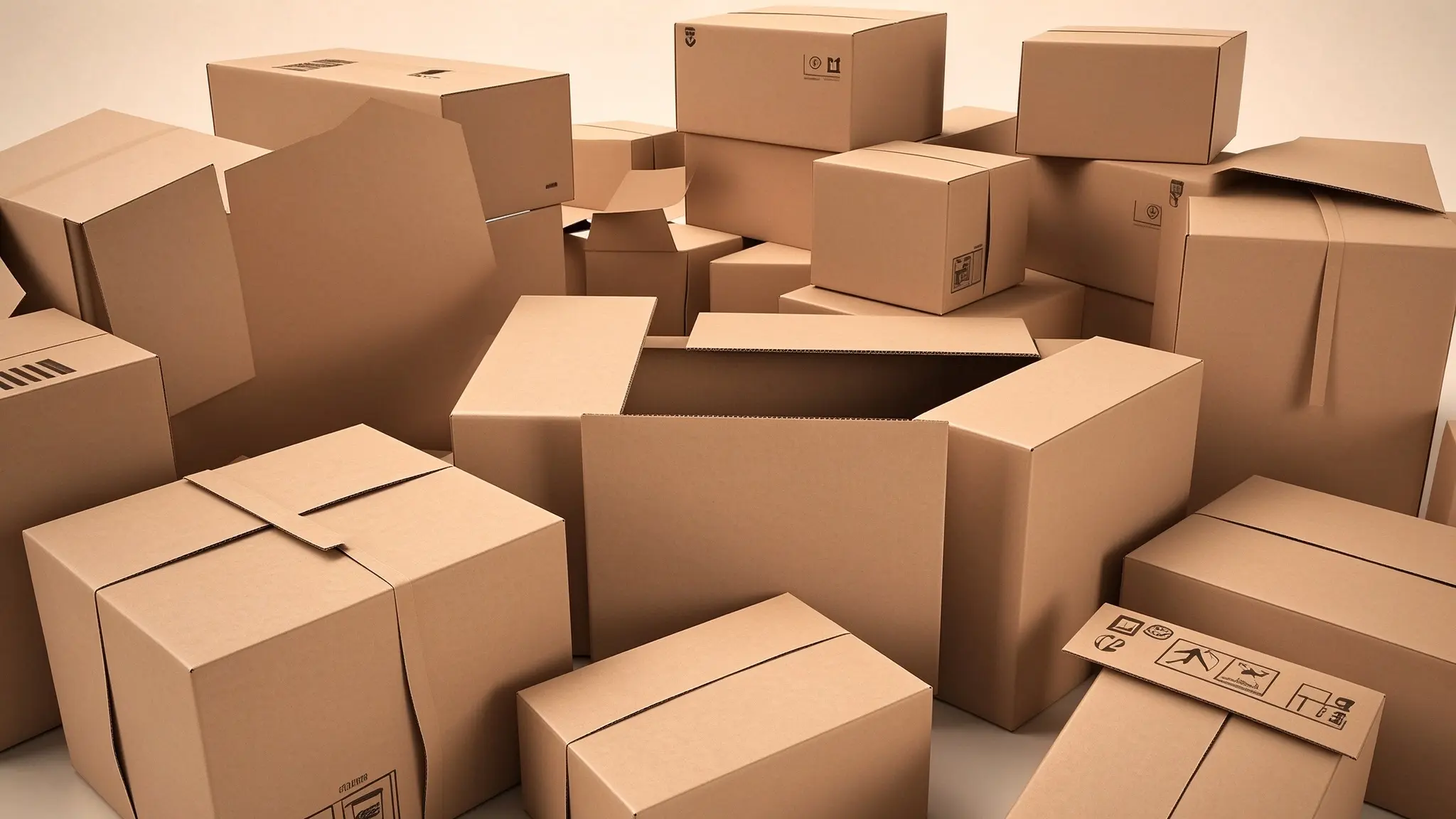
How Do You Choose the Right Corrugated Flute for a Mailer Box?
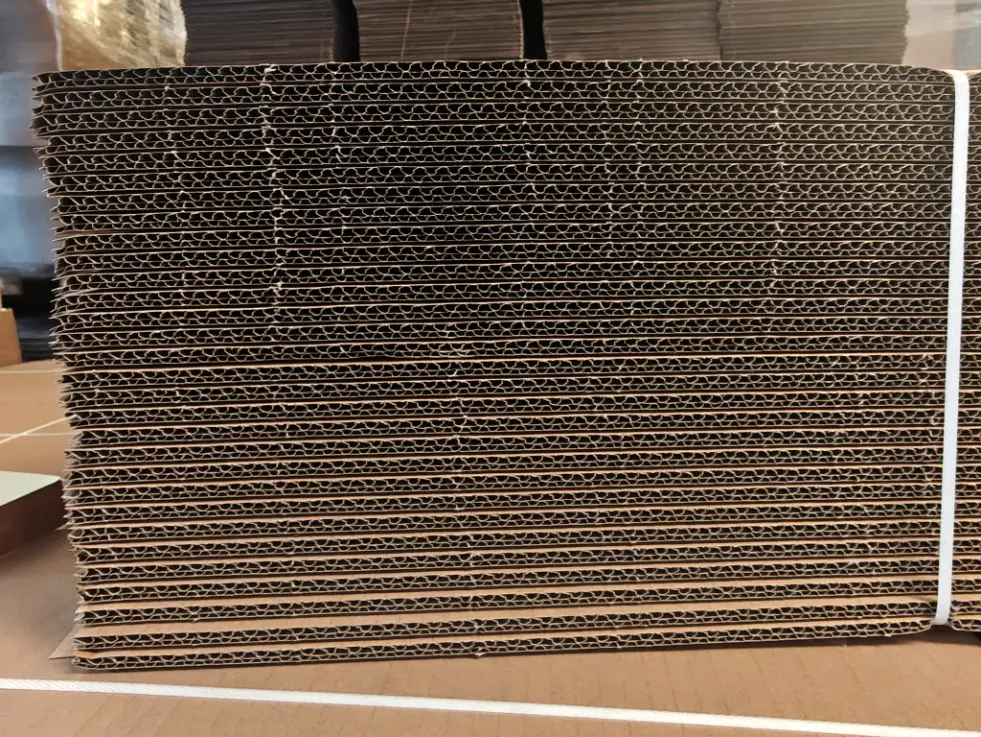
Flute selection affects the thickness, stiffness, cushioning and printing surface of a corrugated Mailer Box. The appropriate structure depends on the product weight, box dimensions, stacking conditions and transportation route.
Different flute profiles serve different packaging purposes.
E-Flute: E-flute has a relatively thin profile and a fine corrugated structure. It is suitable for compact mailers, lightweight retail products and packaging that requires a relatively smooth printing surface.
B-Flute: B-flute offers a thicker structure and is commonly used for general shipping cartons and e-commerce packaging. It can provide a practical balance between packaging strength and material consumption.
C-Flute: C-flute is often considered for larger or heavier shipping boxes where additional cushioning and stacking support are required.
EB Double-Wall Corrugated Board: Combining two flute layers provides a thicker multi-layer structure. It may be considered for fragile products, heavier parcels and applications with greater transportation demands.
| Flute Type | Approximate Thickness | Typical Application | Main Consideration |
| E-flute | 1.1–1.4 mm | Small retail mailers, cosmetics | Compact structure and fine printing |
| B-flute | 2.5–3.0 mm | General e-commerce shipping | Balance of protection and thickness |
| C-flute | 3.5–4.0 mm | Larger or heavier parcels | Additional cushioning |
| EB double wall | Around 4 mm or more | Fragile or demanding shipping applications | Multi-layer structural support |
Parameters
| Item | Standard offering or working range |
| Style | Self-seal mailer, roll-end tuck front, or two-piece lid and base |
| Flute | E-flute 1.1–1.4 mm, B-flute 2.5–3.0 mm, C-flute or EB double wall |
| Internal size | Product plus 10–25 mm per axis, set by the protection used |
| Closure | Self-seal strip, tuck front, tear strip or both |
| Flexo one or two colours, or litho-laminated offset for photo work | |
| Testing basis | Loaded stack plus a 1 m corner, edge and face drop |
| Packing | Shipped flat, bundled in tens, master carton marked to your list |
| Quote inputs | Product size and weight, order volume, route, artwork and destination |
How Are Mailer Boxes Packed and Prepared for International Shipping?
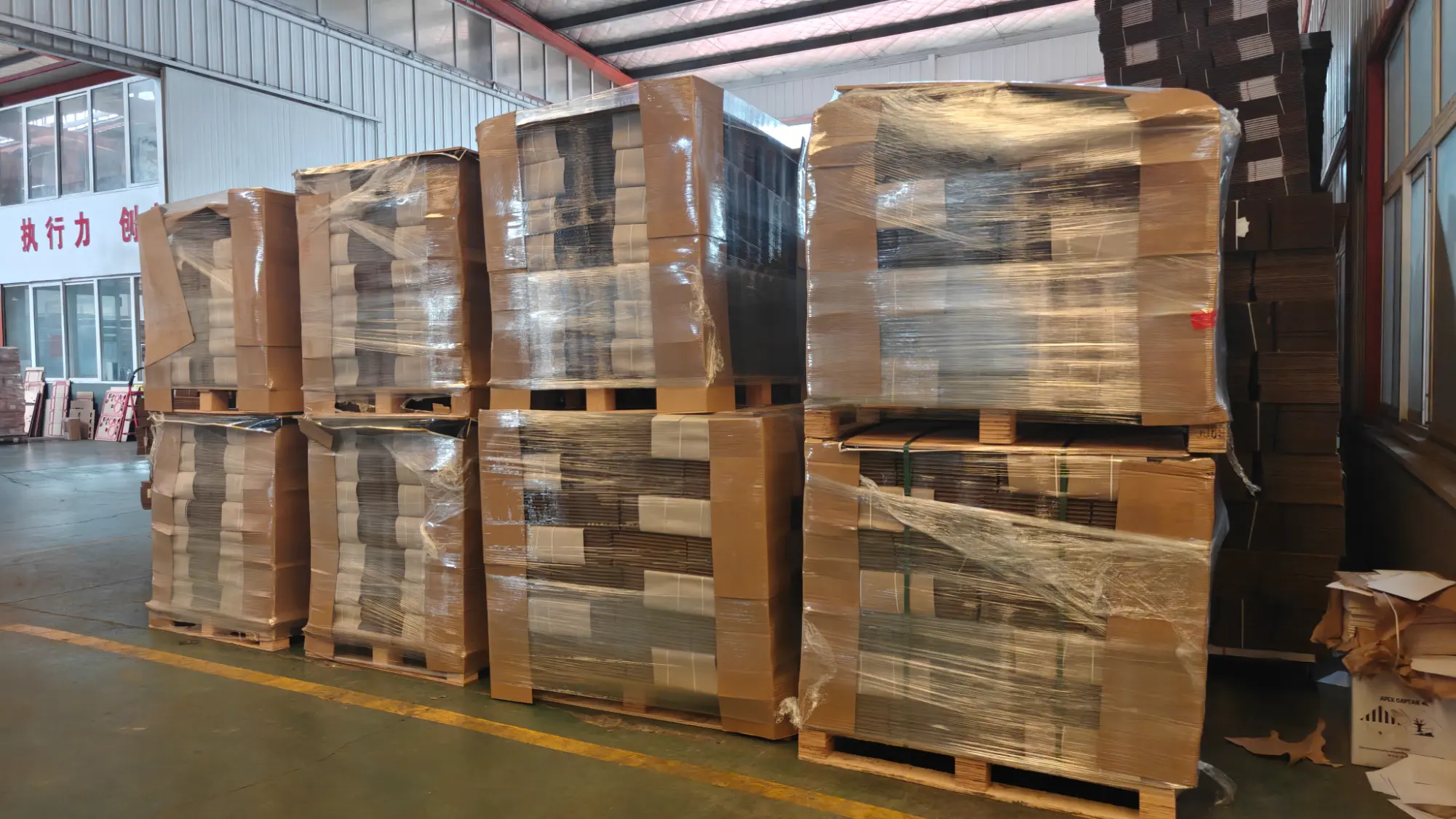
Corrugated Mailer Boxes are commonly shipped flat to reduce storage and transportation volume. Their folding structure allows the boxes to be assembled at the customer's warehouse or fulfillment center when needed.
For wholesale orders, the packing arrangement should consider the quantity per bundle, master carton dimensions, protection against moisture and handling requirements.
Customized carton marks can include:
Product name and item code.
Box dimensions and quantity.
Order or batch reference.
Handling symbols where required.
Customer-specific identification information.
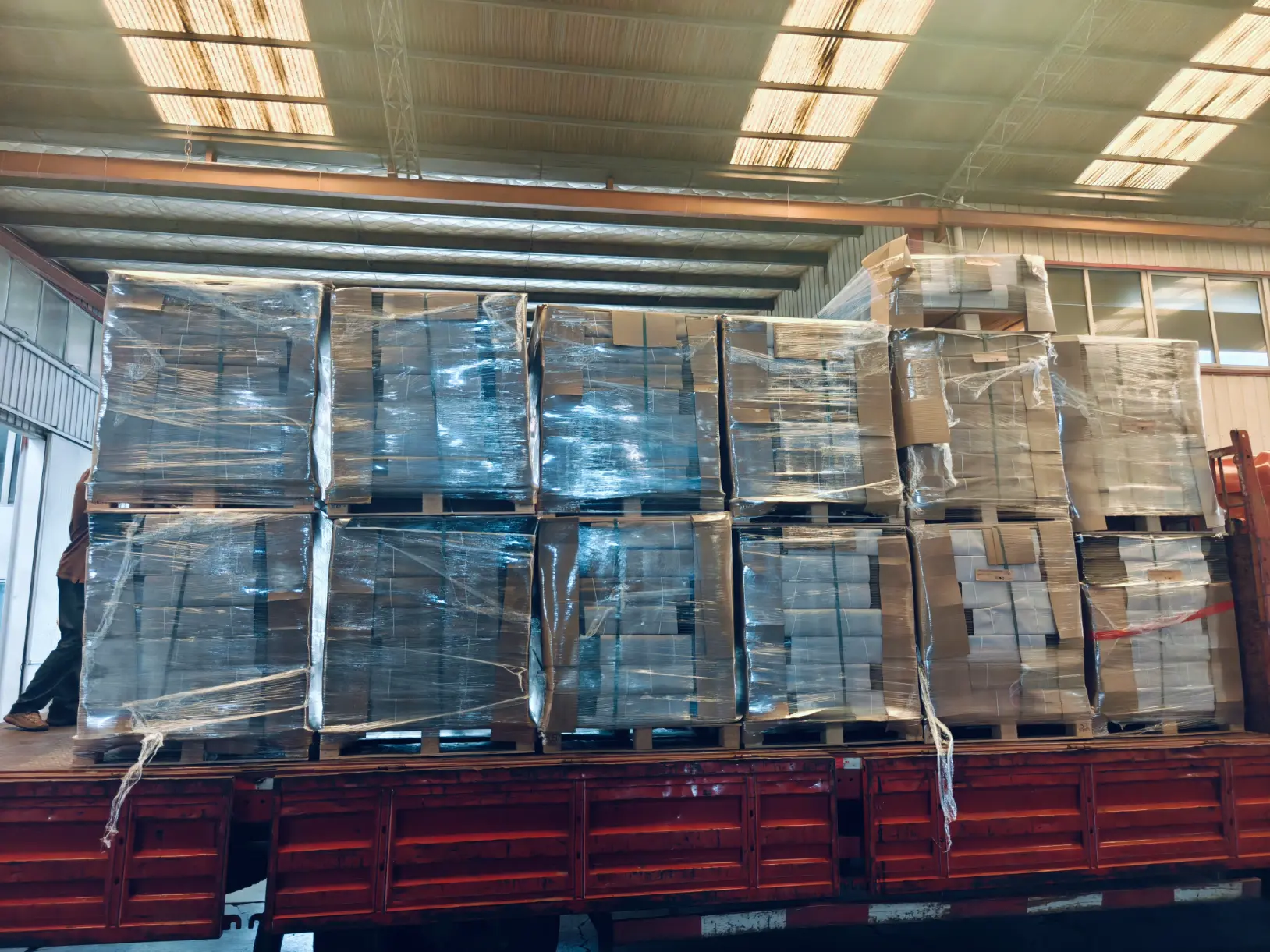
Flat Packing, Marks and Handover
Mailers ship flat and are erected at the packing bench, so the master carton is a density decision as much as a protective one. We bundle in tens with a paper band rather than shrink film where the buyer asks for a plastic-free parcel, and mark each carton with the item code, revision and quantity. A Mailer Box order travels with a commercial invoice, packing list, certificate of origin and the FSC document, and we can print the marketplace labels and warning marks your channel requires at the same pass as the brand print. Standard production is 10 to 15 working days after sample approval and deposit.
Our manufacturing advantages include:
Integrated Manufacturing Workflow: Production coordination covers design preparation, printing, material processing, box forming and inspection.
Corrugated Packaging Capabilities: The factory's published equipment information includes intelligent corrugated box production lines and automatic folder-gluing equipment.
Customized Packaging Development: Box dimensions, corrugated structures, printing artwork and closure designs can be adjusted to meet different product requirements.
Production Quality Management: Inspection procedures cover materials, printing, cutting, folding, assembly and finished packaging.
FAQ
Q1: What is the MOQ for custom Mailer Boxes?
A: The minimum order quantity depends on the box dimensions, corrugated material, printing method and structural complexity. Contact ZMJPackaging with your estimated quantity to confirm the available production arrangement.
Q2: Can I customize the size of a Mailer Box?
A: Yes. ZMJPackaging supports customized internal and external dimensions according to the product size, protective inserts and box structure. Providing product measurements and weight helps us prepare a suitable dieline.
Q3: Which flute is best for an e-commerce Mailer Box?
A: E-flute is commonly considered for compact and lightweight parcels where a relatively smooth printing surface is important. B-flute is suitable for many general shipping applications, while C-flute or double-wall board may be considered for heavier or more demanding shipments. The final choice depends on the product and transportation conditions.
Q4: Can Mailer Boxes be printed with my company logo?
A: Yes. Customized logos, brand colors, product information and promotional graphics can be incorporated into the packaging design. Printing options depend on the selected corrugated board, artwork and production requirements.
Q5: Can I add a tear strip or self-adhesive closure?
A: Yes. Self-adhesive strips, tear strips, tuck-front closures and other suitable structures can be evaluated according to your packaging requirements. These options can improve packing convenience and the customer opening experience.
Q6: Are Mailer Boxes suitable for fragile products?
A: They can be used for fragile products when the corrugated structure and internal protection are properly designed. Depending on the product, additional paperboard dividers, foam inserts or other cushioning materials may be required. A filled sample should be evaluated before mass production.
Q7: Can Mailer Boxes be shipped flat?
A: Yes. Many folding corrugated mailer designs can be supplied flat and assembled at the fulfillment location. This helps reduce storage and transportation volume compared with shipping fully assembled boxes.
Related Category
Food Carton Packing
Wine Box Packaging Carton
Fruit Box
Waxed Box
Cardboard Gift Box
Paper Box
Corrugated Box
3D Paper Card
Send Inquiry
Please feel free to give your inquiry in the form below. We will reply you in 24 hours.