- English
- Español
- Português
- русский
- Français
- 日本語
- Deutsch
- tiếng Việt
- Italiano
- Nederlands
- ภาษาไทย
- Polski
- 한국어
- Svenska
- magyar
- Malay
- বাংলা ভাষার
- Dansk
- Suomi
- हिन्दी
- Pilipino
- Türkçe
- Gaeilge
- العربية
- Indonesia
- Norsk
- تمل
- český
- ελληνικά
- український
- Javanese
- فارسی
- தமிழ்
- తెలుగు
- नेपाली
- Burmese
- български
- ລາວ
- Latine
- Қазақша
- Euskal
- Azərbaycan
- Slovenský jazyk
- Македонски
- Lietuvos
- Eesti Keel
- Română
- Slovenski
- मराठी
- Srpski језик

Products


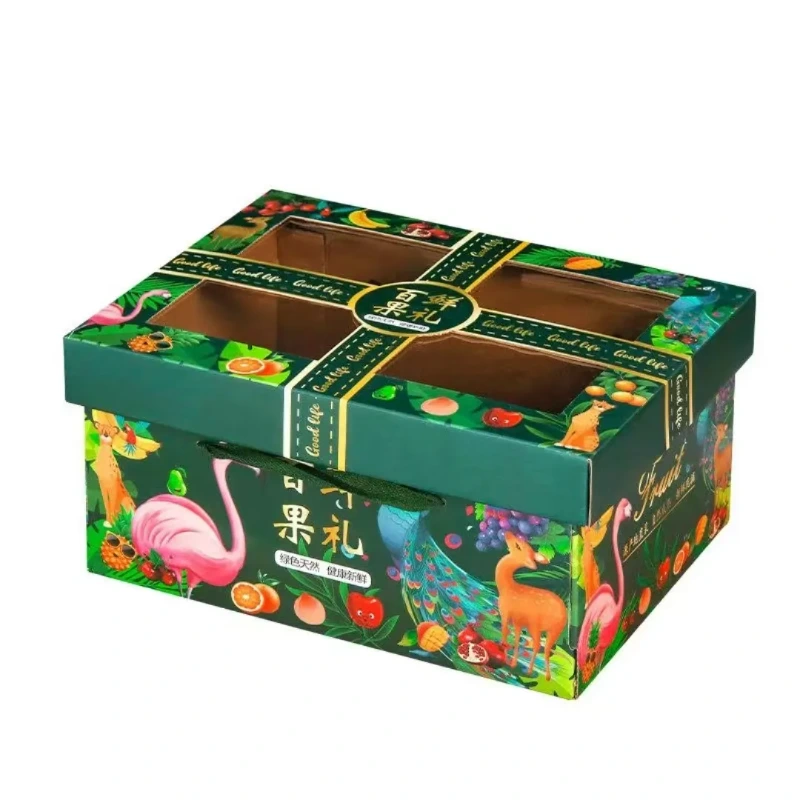
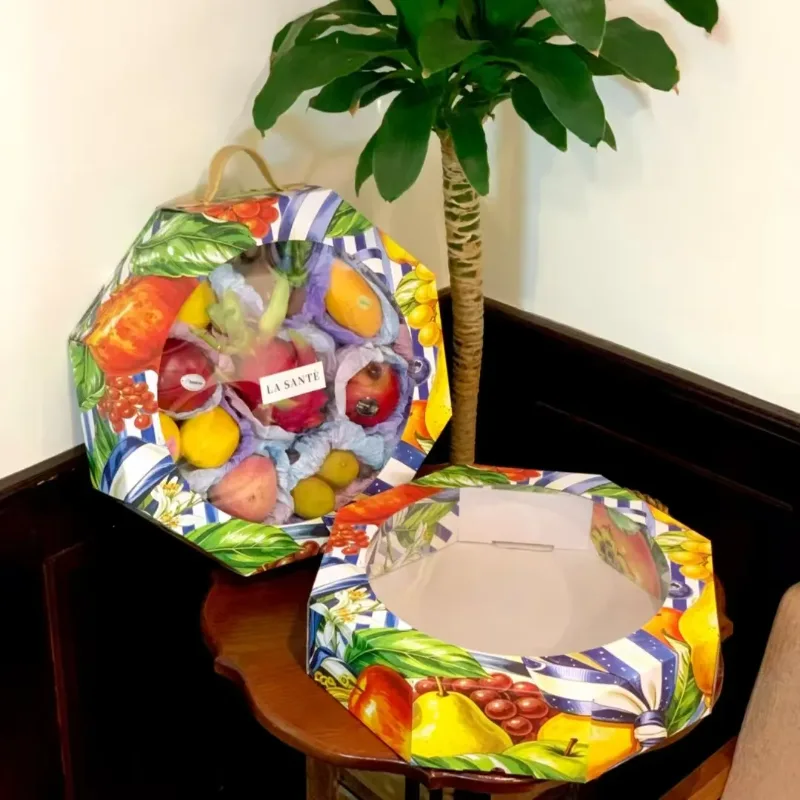
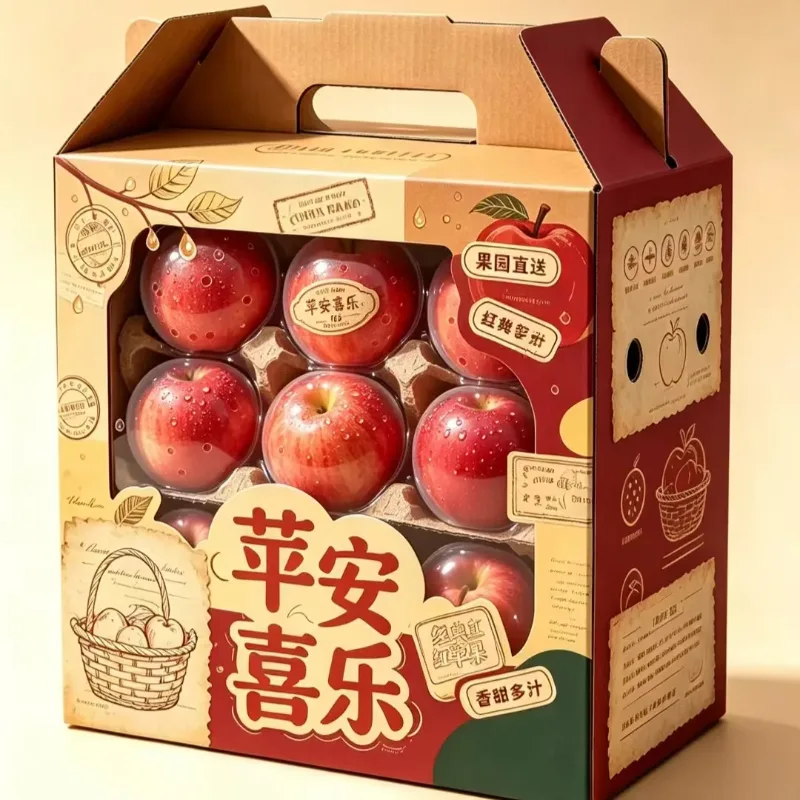
Moisture Resistant Clear Window Fruit Paper Box
Zemeijia is a China manufacturer of moisture resistant clear window fruit paper box, offering custom fruit packaging with transparent windows, durable cardboard structures and moisture-resistant material options. Our factory supports customized sizes, printing and branding to help fruit growers, retailers and gift suppliers present fresh fruit attractively while providing practical packaging protection. Field tests show our moisture-resistant treatment keeps box rigidity even under 90% RH refrigerated conditions, helping cut fruit transit bruise & spoilage loss by 15–25% compared with ordinary uncoated fruit cartons.
Send Inquiry
Product Description
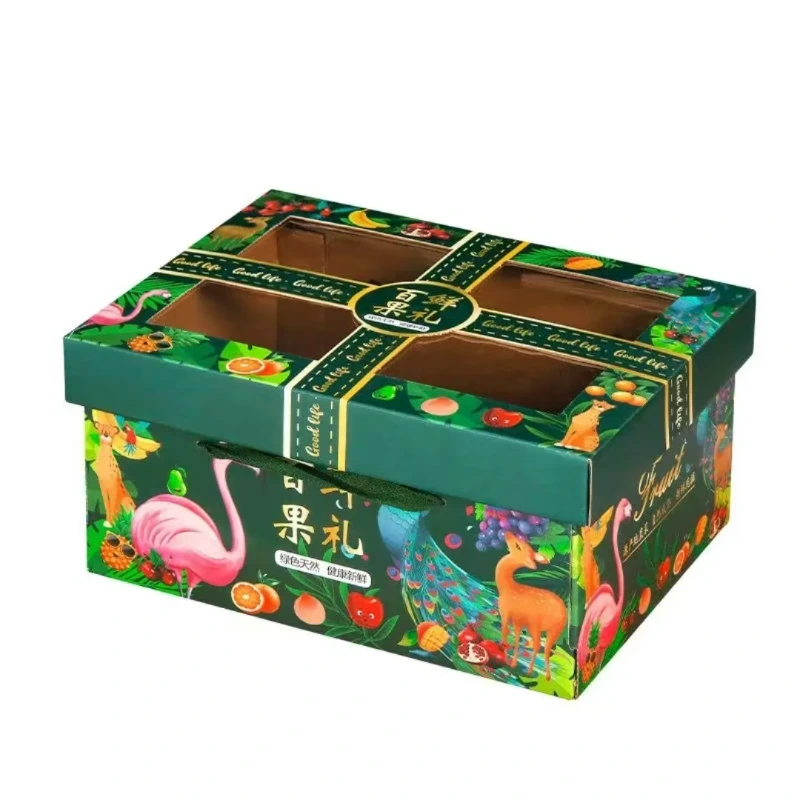
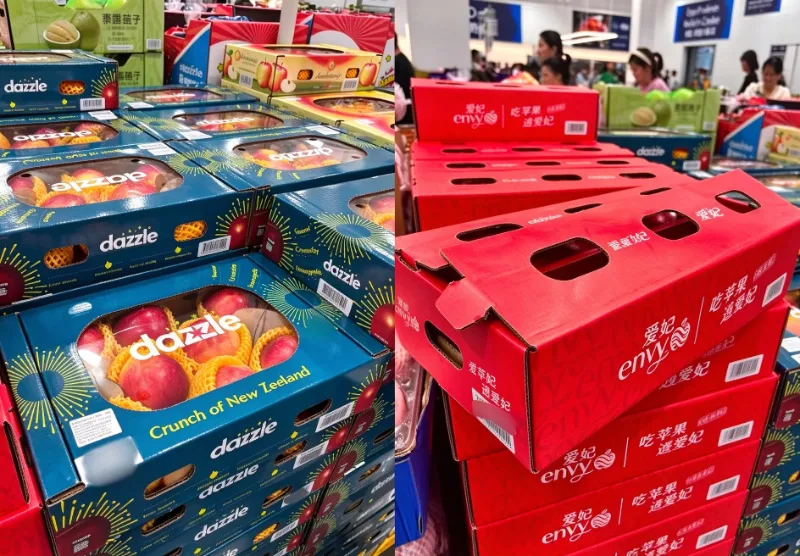
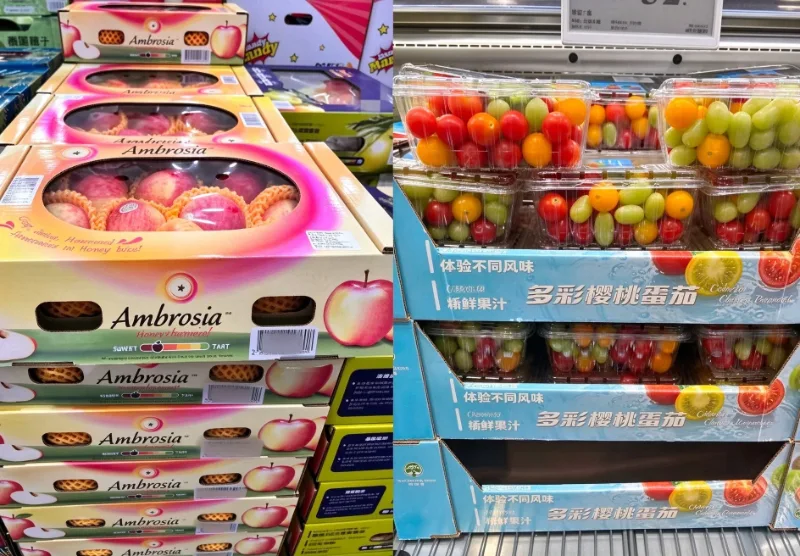
As a direct packaging factory, Zemeijia offers flexible customization options, including box dimensions, paper material, window shape, printing, brand logos and surface finishes. Depending on the application, customers can select suitable paperboard grades and window materials to balance packaging strength, product visibility and cost. The clear window allows customers to see the fruit without opening the box, helping showcase its natural color and appearance. Made with customizable paperboard materials and optional moisture-resistant treatments, the box can be designed to suit different fruit types, storage conditions and transportation requirements. Its structure can also be customized to help reduce movement and protect fruit from everyday handling damage.
Specification
| Item | Project decision or option |
| Name | Moisture resistant clear window fruit paper box |
| Structure | One-piece auto-bottom, tuck-top, tray and lid, or drawer |
| Board | Kraft or white kraft 250–400 gsm; E-flute or B-flute for heavier fruit |
| Moisture route | Sizing, water-based barrier coat, PE film inside or wax coat |
| Window | PET 0.25–0.5 mm, PVC, PLA or anti-fog PET, set back from corner posts |
| Window opening | Typically 25–40 percent of the panel, decided against stack height |
| Vent area | 1–3 percent of the panel, positioned for the cooling method used |
| Offset CMYK or flexo, with the food-contact face left unprinted | |
| Testing | Conditioned stack test plus a cold-to-ambient transfer check |
| Quote inputs | Fruit type, pack weight, cold-chain route, quantity, artwork and destination |
The Three-Way Trade-Off Inside a Window Fruit Box
Window, vent and moisture control pull against each other. A window removes board from the panel that carries the load, and a 30 percent opening can take 20 to 35 percent out of the compression strength unless the panel is thickened or the opening is set back from the corner posts. Vents let moisture out but also let humid air in and interrupt the panel. A moisture barrier slows condensation but changes how the box prints and how it is recycled.
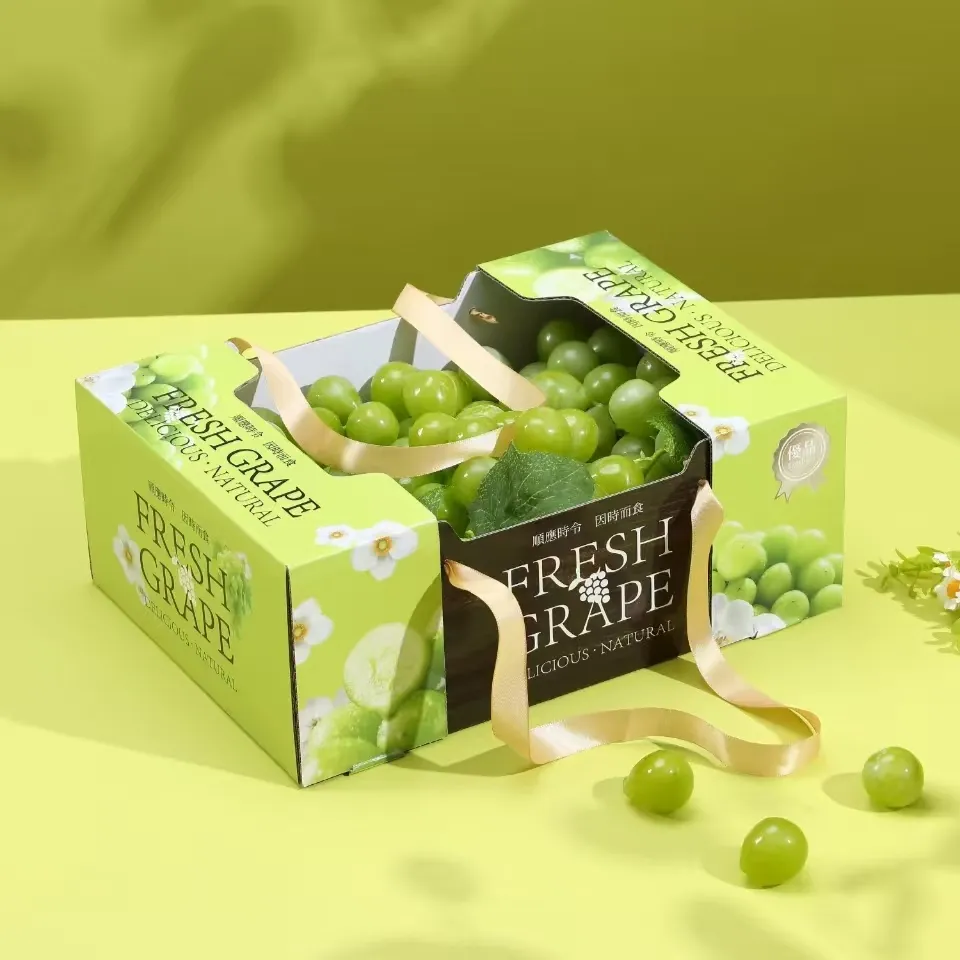
Window Film Choice: PET, PVC and Anti-Fog Grades
The film does more work than most buyers expect. It has to be clear enough to sell the fruit, tough enough to take a scuff, and stable enough not to mist over when the pack leaves a cold store. This is the comparison we quote from.
| Film | Behaviour | Where it fits |
| PET 0.25–0.5 mm | Clear, strong, accepted in most paper recycling streams | Default for export and retail packs |
| PVC | Cheaper and easier to fold on tight corners | Cost-driven markets without PVC limits |
| PLA film | Compostable and plant-based | Dry ambient routes only; softens with heat |
| Anti-fog PET | Coating stops condensation beading on the inner face | Chilled fruit moving into warm stores |
| Matte-laminated window | Lower glare under shop lighting | Premium gift-fruit presentation |
Where Moisture Attacks a Fruit Box
Fruit boxes live in a harder climate than most cartons because the product inside is still breathing. Water reaches the board from four directions: condensation on a cold pack entering a warm room, water released by the fruit, and damp pallet and packhouse floors. The first is the worst, because a moisture resistant clear window fruit paper box at 4 degrees Celsius moving into 25 degrees and 70 percent humidity forms a film of water within minutes, and the paper takes it up at the cut edges.
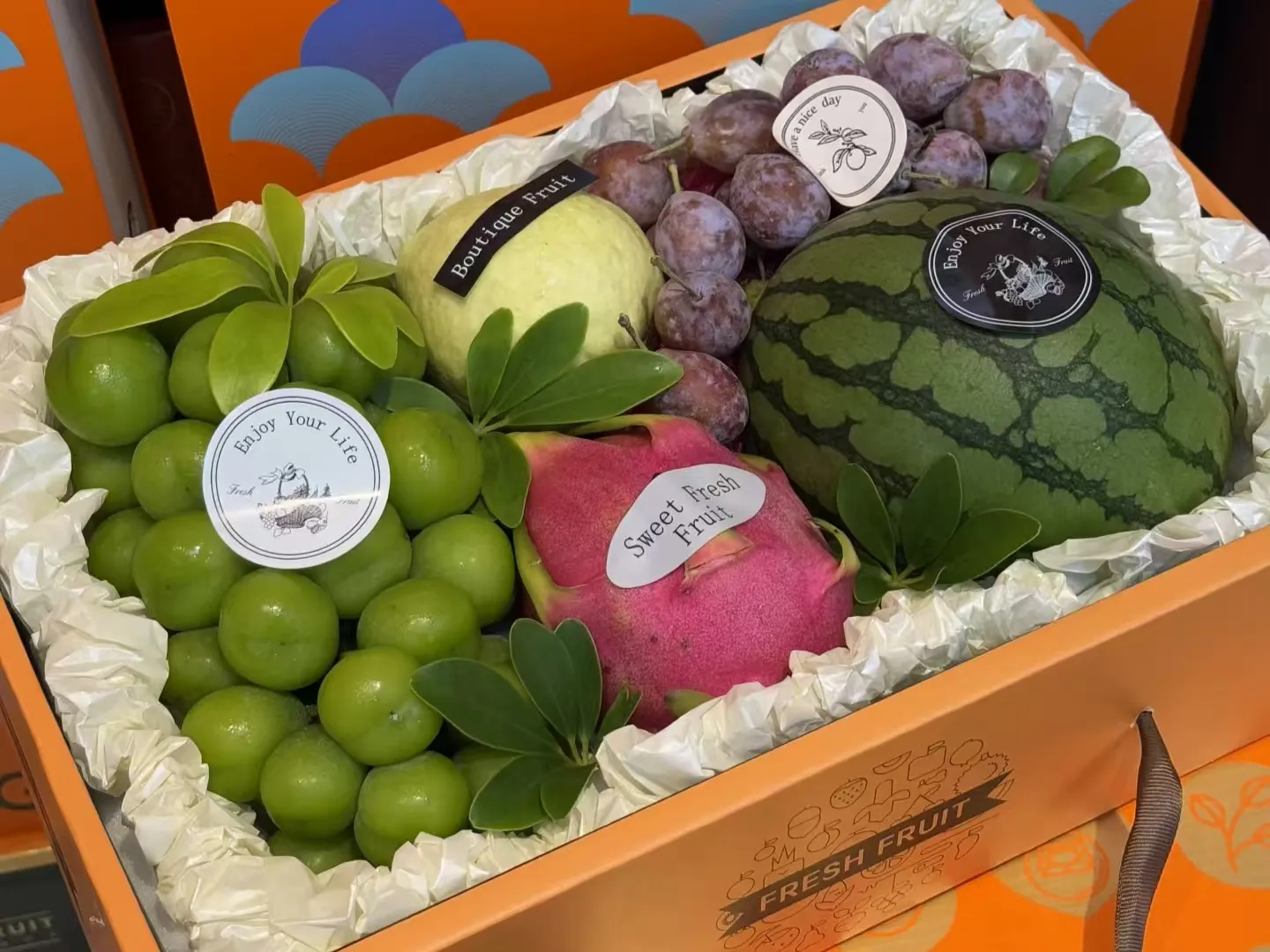
Production Process of Fruit Paper Box
1. Raw Material Selection
The production process begins with selecting suitable paperboard or corrugated paper according to the moisture resistant clear window fruit paper box's size, weight capacity, and transportation requirements. ZMJ Packaging offers customized fruit packaging solutions using paper-based materials designed to balance structural strength, appearance, and practical use.
2. Moisture-Resistant Treatment
To help the box withstand humid storage and handling conditions, a suitable moisture-resistant coating or laminated layer can be applied according to the customer's requirements. The treatment is selected based on the fruit type, storage environment, and expected packaging performance, helping reduce moisture penetration and maintain the box's structural stability.
3. Clear Window Die-Cutting
The window opening is cut into the paperboard according to the approved packaging design. A transparent window film, such as PET or another suitable material, can then be attached to allow customers to see the fruit inside without opening the box. Window size and placement can be customized to balance product visibility and protection.
4. Printing and Surface Finishing
Custom graphics, product information, logos, and brand colors are printed onto the paperboard. Depending on the design, finishing options may include lamination, varnishing, or other surface treatments. These processes help create an attractive retail appearance while supporting the packaging's intended protective function.
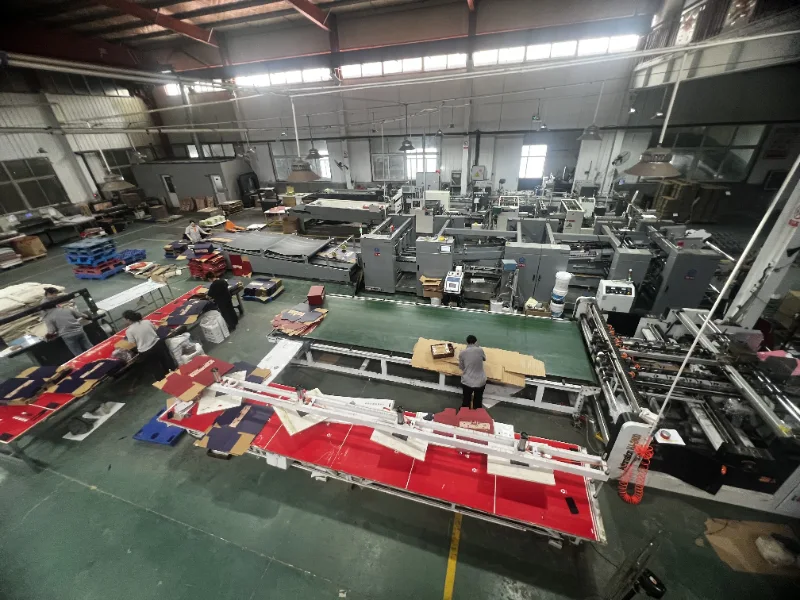
5. Precision Die-Cutting and Creasing
The printed sheets are processed through die-cutting and creasing to form the box panels, folding lines, locking tabs, and other structural details. Accurate cutting and creasing help ensure consistent dimensions and make the boxes easier to fold, assemble, and fill.
6. Folding and Box Assembly
The die-cut blanks are folded and assembled according to the approved structure. Depending on the moisture resistant clear window fruit paper box design, suitable gluing or locking methods are used to secure the panels and maintain the shape during filling, storage, and distribution.
7. Quality Inspection
Finished boxes are inspected for printing accuracy, window attachment, cutting precision, folding performance, and overall appearance. Moisture resistance and structural strength can also be evaluated against agreed specifications to help ensure that the packaging meets the customer's requirements.
8. Packing and Shipment
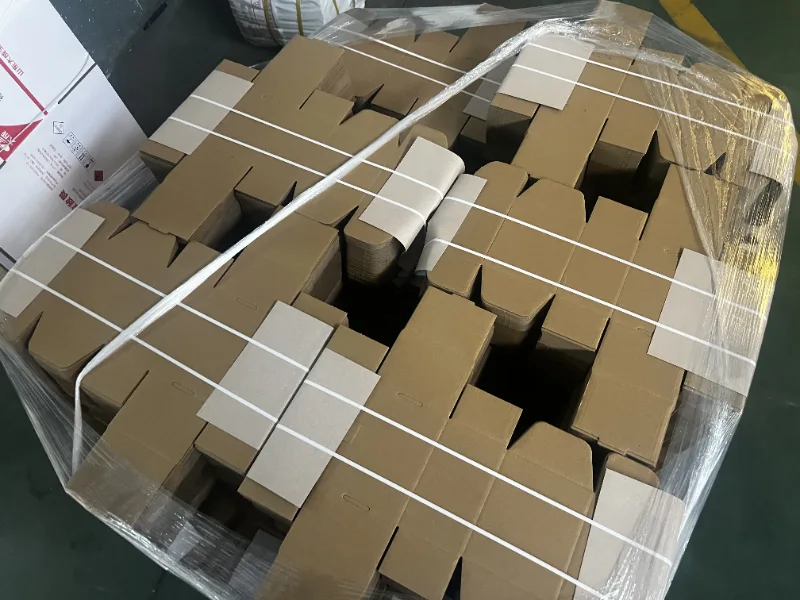
After inspection, the finished fruit paper boxes are packed for storage and transportation. Packaging methods are selected to reduce crushing, contamination, and handling damage during delivery. ZMJ Packaging supports customized paper packaging production for different fruit brands, retailers, distributors, and export markets.
Vent Area, Airflow and Fruit Respiration
Vent area in a moisture resistant clear window fruit paper box is set by the fruit rather than by habit. Soft fruit such as strawberries and raspberries needs the most airflow, usually 1.5 to 3 percent of the panel. Cherries sit in the middle, and citrus and apples travel well on less. Holes near the base let cold air in when the pallet enters a forced-air tunnel; holes near the top let warm, humid air escape. Fruit also produces ethylene, so kiwifruit and bananas should not share a pallet with apples.
Stacking, Retail Display and Season Checks
A fruit box is stacked far more often than it is handled. Punnets go into trays and pallets into chilled containers where they may sit five to eight layers high for weeks. Window and vents both cut into that performance, so a moisture resistant clear window fruit paper box is sized by the stack height agreed in the brief and confirmed with a conditioned compression test. Before a season order we run four checks: a filled punnet at the agreed weight, a conditioned stack test, a cold-to-ambient transfer, and a packhouse trial at line speed.
FAQ
Q1: Can the window and the vents both be kept, or do I choose?
A: Both are possible, but the panel then needs more board or a heavier flute. We test the finished box at your stack height instead of promising from a drawing.
Q2: Why does my window mist up in the shop?
A: That is condensation forming on the inner face as a chilled pack enters a warm aisle. An anti-fog film, or letting the pallet warm up before unwrapping, removes most of it.
Q3: How much vent area does my fruit need?
A: Soft fruit usually needs 1.5 to 3 percent of the panel; citrus and apples travel on less. On a moisture resistant clear window fruit paper box we mark the pattern against your cooling method.
Q4: Will the box stay strong in a chilled container?
A: Compression strength is measured after conditioning, not dry. We quote the stack height from a conditioned test and re-check it after a cold-to-ambient transfer.
Hot Tags: Moisture Resistant Clear Window Fruit Paper Box
Related Category
Food Carton Packing
Wine Box Packaging Carton
Fruit Box
Waxed Box
Cardboard Gift Box
Paper Box
Corrugated Box
3D Paper Card
Send Inquiry
Please feel free to give your inquiry in the form below. We will reply you in 24 hours.